How to Use Your Freezer to Save Money: 15 Things You Probably Don’t Know!
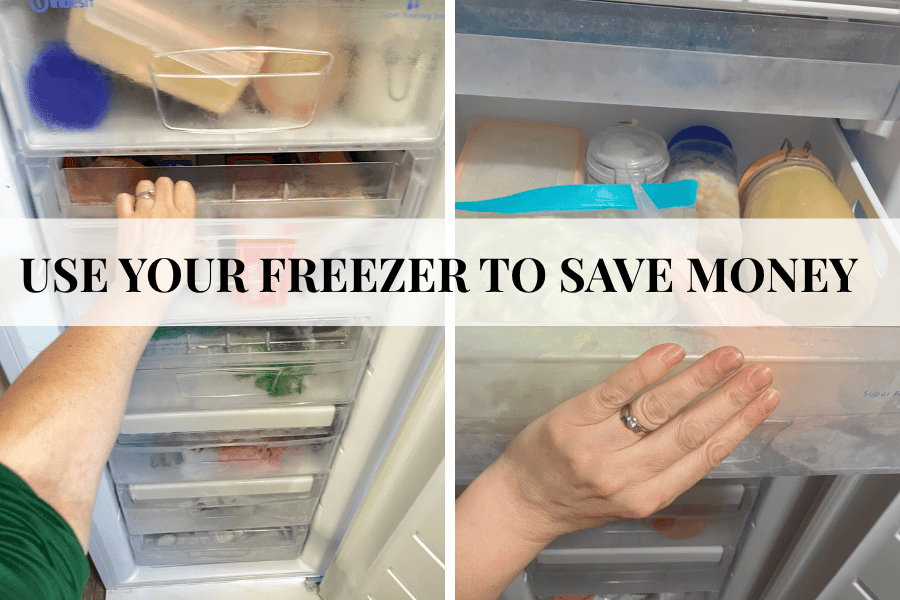
If you’re serious about saving money on groceries, learning how to use your freezer properly can make a surprisingly big difference.
During my no-spend year, I cut our grocery spending by around 50%, and reducing food waste was a big part of that. Over the years I’ve learned that the freezer can do much more than store frozen peas and spare loaves of bread.
Here are 14 genuinely useful ways I use my freezer to make food last longer, make cooking easier and get more from the food I’ve already paid for.
1. Freeze Food in the Portions You Actually Use
Think about how much of something you normally use at once and freeze it in that quantity. That could be one portion of soup, enough cooked chicken for a sandwich, two portions of sauce or enough grated cheese for a pizza. It means you can take out exactly what you need without having to defrost a much larger amount. This is especially helpful if you live a lone or have a family that has various food preferences and tastes. I found this tip great when the kids where younger, as I could prepare a meal that I really enjoyed from time to time that I knew that they just wouldn’t eat.
2. Freeze Complete Individual Meals
You can freeze a complete cooked dinner together, ready to become your own homemade ready meal. A roast dinner, for example, can include meat, potatoes, vegetables and gravy in one container. Spaghetti Bolognese, curry and rice and other regular family dinners can also be frozen in individual portions, ready for a day when someone needs a quick dinner. I find this great for low energy or extremely busy weeks where you still want to eat a good dinner but you know you won’t have the time!
Keep in Touch By Joining My Weekly Newsletter
3. Freeze Meal Components
You don’t always need to freeze a complete meal. You can freeze the different components you regularly use and combine them later. Think of a homemade pizza kit: dough balls, portions of pizza sauce, mozzarella and pepperoni ready in the freezer. Take out what you need and you’ve got most of a pizza night ready to assemble. It is very easy, for example, to freeze a bag of mozzarella and to take out the amount you want to use of an evening and put the rest back in the freezer for another day. This is great for avoiding food waste.
4. Freeze Cake and Icing
You can freeze whole cakes or cut them into individual slices before freezing so you can take out only what you need. This is particularly useful if you enjoy baking but don’t have enough people at home to finish a whole cake while it’s fresh.
You can also freeze leftover buttercream-style icing. I freeze mine in an icing sleeve or suitable container and defrost it when I’m baking again. Once defrosted, it may simply need a little agitating before you use it.
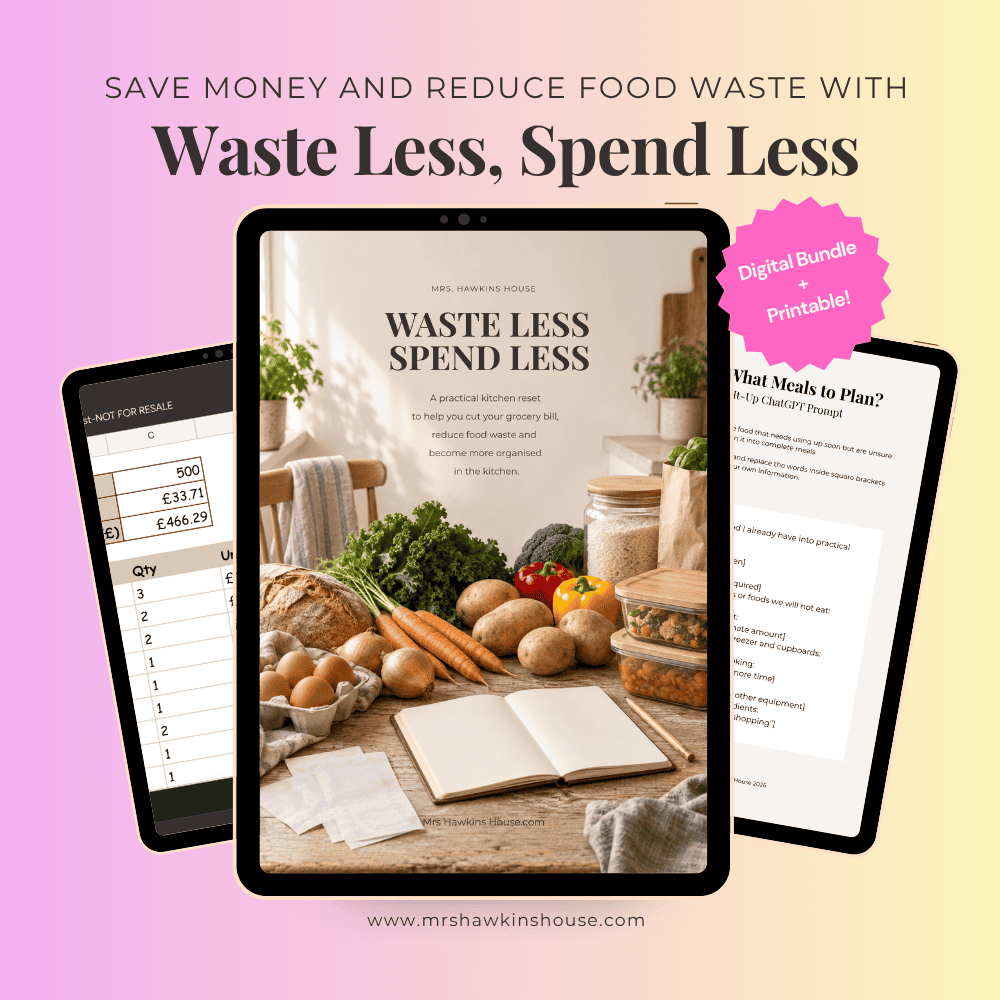
I cut my grocery bill in half by eliminating food waste. I used that money to get out of debt and it worked! If you want to learn about how to save money on groceries buy the Waste Less, Spend Less system below
BUY HERE
5. Freeze Cookie Dough Balls
Make a batch of cookie dough, portion it into balls and freeze them. Instead of baking the entire batch, you can take out just a few when you want them. It’s particularly handy when the oven is already going on for dinner and you fancy putting a couple of cookies in afterwards rather than making a whole batch.
6. Freeze Bread and Breadcrumbs
Bread can be frozen as a whole loaf or in individual slices so you can take out exactly what you need. Individual slices defrost quickly, and bread for toast can often go straight into the toaster from frozen.
You can also save leftover slices specifically for making breadcrumbs. Alternatively, make the breadcrumbs first, freeze them in a bag and take out a handful whenever you need them for toppings, coatings, stuffing or recipes.
I have found doing this has made me pay attention to food waste. It is shocking how much bread can go in the bin if you’re not keeping an eye on things in the kitchen.
7. Keep a Freezer Bag for Vegetable Scraps
Keep a bag in the freezer for suitable vegetable trimmings that can eventually become homemade stock. Onion ends, carrot peelings and ends, celery trimmings and other suitable scraps can be added as you cook. Instead of needing enough vegetables to make stock today, you’re gradually collecting them until you have enough for a batch. This great video shows you how.
8. Use Ice-Cube Trays
Ice-cube trays are brilliant for ingredients you normally use by the spoonful. Tomato purée, pesto, garlic paste, ginger paste and other suitable purées and pastes can be frozen in small portions. Once solid, transfer the cubes into a labelled freezer bag or container and take out one or two whenever you need them. an absolute winner if you want to buy something like tomato paste in bulk to avail of the savings but you don’t want to waste any.
9. Freeze Cooked Meat
Cooked chicken, ham, mince and other suitable cooked meats can be divided into useful portions and frozen for later. You can then take out just enough for sandwiches, pizzas, pasta dishes, wraps or another dinner. You don’t have to turn leftover cooked meat into a complete new meal before freezing it. I often do this with ham, making packs of ham for the freezer and taking out a pack to pop in the fridge the night before I need it.
10. Freeze Flat to Save Space
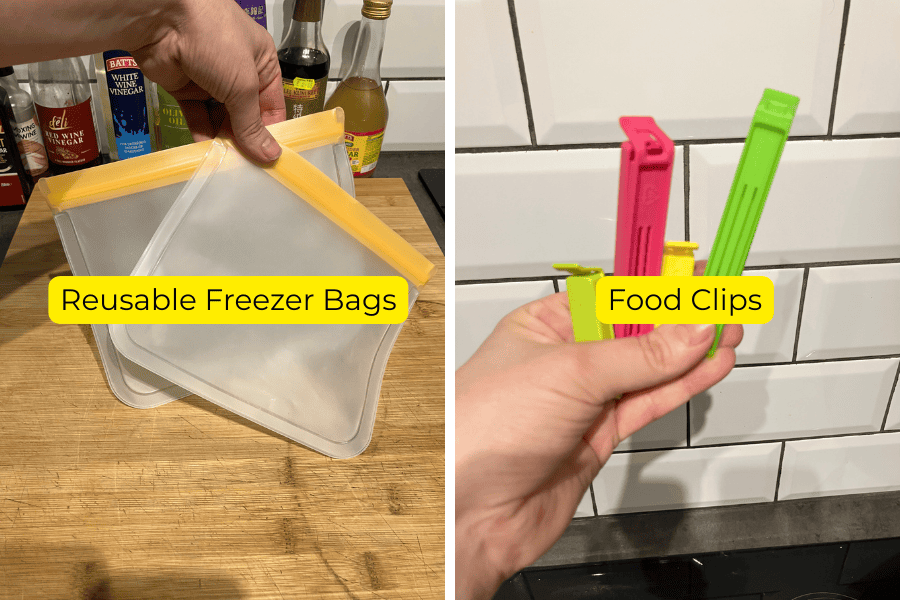
Sauces and other suitable foods can be portioned into freezer bags, carefully sealed and laid flat while they freeze. Once solid, the flat packs can be stacked or stored upright. They take up much less room than lots of bulky containers and make it far easier to see what you’ve actually got in the freezer.
I use these freezer bags which you can get on Amazon.
Related Post: How I Organise My Freezer
11. Glass Jars
You can freeze food in glass jars. I’ve reused good-quality jam and pickle jars in my freezer for around 20 years. I choose sturdy jars and avoid anything thin, flimsy, chipped or damaged. Leave plenty of empty space at the top, particularly when freezing liquids, because food expands as it freezes. People cringe when I say this, but if you are uncomfortable with the idea, do a little google search to confirm it for yourself.
12. Dump Bags
A dump bag is a freezer bag containing suitable uncooked ingredients for a future meal. You do the preparation in advance, freeze everything together and then have a meal ready to cook later. They’re particularly useful for casseroles and slow-cooker meals. Label the bag with its contents and cooking instructions, and follow appropriate food-safety and defrosting guidance for the ingredients you’ve used.
Related Post:Meal Planner Printables-6 Free PDF’s
Great if you need some meal planning printables ( they are PDF’s so you can use them digitally too)
13. Flash Freezing
Flash freezing simply means freezing small individual pieces separately before putting them together in a bag or container. Spread things such as berries, chopped vegetables or cookie dough balls on a tray and freeze them. Once solid, transfer them into a freezer bag. They won’t become one enormous frozen lump, so you can take out exactly as much as you need. I often do this with pizza dough balls so we can have homemade pizza on demand!
14. Freeze Dairy Products
Some everyday dairy products freeze surprisingly well. Butter can be frozen in blocks or smaller portions, milk can be frozen if you have more than you’ll use, and grated cheese is particularly useful because you can often use it straight from frozen for cooking. The texture of some dairy products can change after freezing, so they’re often particularly useful for cooking.If you do choose to freezer milk, make sure there is a bit of space at the top of the bottle to allow the liquid to expand.
Your Freezer Can Save More Than Food
Get the Waste Less, Spend Less System here:
Use Code: Blog Reader Special for 15% off
Thanks for reading my post on the wonders of the freezer! If you’d like to stay in touch, enter your details into the newsletter form below and I will write to you very soon.
Ruth
Mrs Hawkins House