75 Clever Money Saving Tips You Need To Know If You Have Had Enough of Scraping By
Money saving tips can sound like a boring topics however, if your had enough of scraping by, just like we were a few years ago, this blog post is for you.
We’re a couple in our 40s, saving for our first house and currently living on one income. We have six adult children, and over the last couple of years we’ve dealt with bereavement, serious illness, job loss, moving country and several important, and expensive, family events.
Debt Free
Despite these challenges we are completely debt-free. We have an emergency fund that would allow us to go without working for months if we needed to.
Whether times are good or bad, we live as though money is tight, but that careful spending has put us in a strong position. We have put ourselves in a position where if something unexpected happens, we can handle it.
Ok, let’s get straight into..
75 clever money saving tips you need to know if you have had enough of scraping by.
1. Know your exact income
No guess work, ok?
List your exact take-home income from every source, it’s frequency i.e. weekly, monthly or occasionally throughout the year. If your income is not steady or fixed, make the best estimate of what it is most likely to be based on what is usually is ( use the lower end of your estimate to be safe)
2. Zero-based budgeting
Unallocated money usually means that money disappears.
What do I mean by that? We use a zero-based budget, giving every penny a job before the month begins. This means we have no unallocated money available.
Allocate your income to bills, spending, savings and other commitments until nothing remains unassigned. I started with Dave Ramsey back in the day, so check this link out if you want to learn more.
3. Build your budget using your exact figures
Just like your income, use accurate numbers in your budget, otherwise you are setting yourself up for continual failure. Use your bank statements and apps to build out your budget. Check actual payment amounts and dates rather than estimating what you think you spend.
If you’re new to budgeting, my budgeting for beginners guide takes you through the figures you need before writing your first budget.
4. Spending analysis
Regularly go through your banking apps and receipts. Identify where money is being wasted and then decide specifically what you will reduce or cut out buying all together.
5. Monthly budget meeting
We have a monthly budget meeting on payday to make our major financial decisions together. We check all our accounts and look ahead to the next few months so larger expenses are planned and don’t take us by surprise.
6. Weekly budget check-ins
Once your monthly budget is set, check it every week. Review grocery spending, upcoming bills, utility costs and anything extra the family needs, then adjust the plan for the week ahead.
7. Family calendar
Plan family commitments weeks or months ahead where possible. Include lessons, appointments, office days, shopping trips and meetups. Budget for transport and plan food so a day out does not become a series of unplanned purchases (which it absolutely will if you don’t plan in advance)
8. Agree who manages the budget
If one person is stronger at organising the finances, let them handle the day-to-day detail. Both partners should know be involved in decisions about household money but sometimes it is better to just let the ‘nerd’ in the relationship mange it.
I’m the nerd in my house. My husband has strong opinions about money and savings but I take care of the day to day spreadsheet stuff.
9. Allocate Pocket Money
After the basics are taken care of it is nice to have some money to spend how you like on clothes, lunches or whatever keeps you happy. Grown adults don’t need to ask each other if it’s ok to pick up a coffee and sweet treat the odd time if that makes sense..🥐☕
10. Plan annual expenses early
List expenses that come around each year, including insurance, birthdays, Christmas, memberships and car servicing. Record the expected amount and payment month so you can prepare in advance and save towards them months in advance.
11. Separate bills money
Have a bills account. Keep the money for bills in that account and have all direct debits come out of it. Use this account for nothing else at all.
We use a joint account, we know how much is likely to come out every month, we both have access and it is only used for bills. This keeps essential household bills paid which makes the whole process much calmer that the alternative.
12. Cash Envelopes
We save cash for some things such as Christmas, spending money for holidays and household times we know we will need soon ( such a washing machine). This has kept us realistic about how much we should spend on things like this.
Cash feels far more real than a bank transfer or tapping your phone, it make it harder to part with lol.
13. Set goals
Write down what you are saving for, how much you need and your target date. Work out an affordable contribution for each payday and review it when your circumstances change.
Keeping these ideas on paper in your planner or on your notes app can help to bring them to life while also keeping you to a reasonable budget.
I do this all the time and as a result I have saved so much money. If I really see how much these things are all going to cost in front of me like that, I tend to be far more realistic about what I can afford.
14. Save on payday
Treat savings the same as if it were a bill. When you are setting up your budget, write it in as a line item. Set it at a level that you can achieve to avoid needing to use that money again in the month.
15. Kitchen inventory
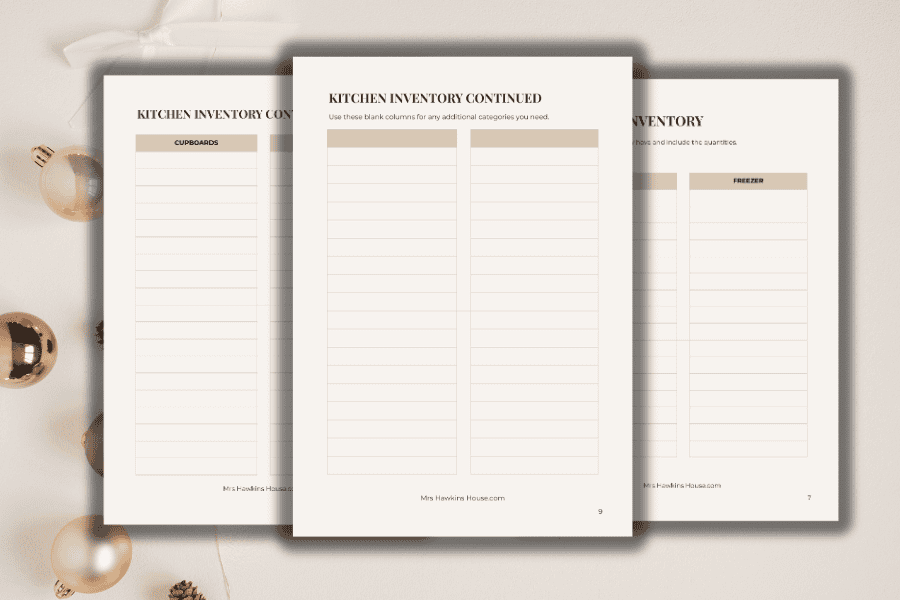
Check your fridge, freezer and cupboards before planning meals or shopping. Write down what you already have, particularly ingredients that could make complete meals.
16. Use-first list
Keep a visible list of food that needs using soon and move it all the the front of your fridge. Check it before deciding what to cook, and update it as ingredients are used.
17. Weekly meal planning
Choose meals for the week using your kitchen inventory and family calendar. Plan quick dinners for busy evenings and meals that use fresh ingredients before they spoil.
18. Budget meals list
Write a list of budget friendly meals and easy to make your household enjoys. Use it when planning so you are not starting from scratch or choosing unfamiliar recipes every week.
19. Shopping list
Write your list from your meal plan and check it against what is already at home. Before paying, remove unplanned items unless you have deliberately decided they fit the budget. Be ruthless if you are trying to save money!
20. Top-up shopping budget
Set a separate allowance for milk, bread, fresh produce and other items needed between main shops. Keep your receipts for those top up shops and don’t allow yourself to go over budget unless you absolutely have to.
21. Reduce shopping trips
Ideally, do one big shop each week and avoid point 20 altogether! I have to do this as I cannot be trusted in a supermarket doing a top-up shop.
If every supermarket visit leads to extra purchases for you too, try eliminate the extra visits.
22. Compare unit prices
Compare prices per kilogram, litre or item. Check different pack sizes as well as brands, because a large pack or multibuy is not automatically the cheapest option.
23. Try own-brand products
Choose a few products you buy regularly and test a cheaper supermarket version. I buy the vast majority of our grocery own brand now and it has saved us at least 30% on our grocery bills.
24. Buy reduced food you will use
Buy discounted food only when you have a clear plan to eat it in time or store it safely. Check dates and storage instructions before adding it to your basket. If it goes in the bin, it was never a saving to being with regardless of what you paid.
25. Bulk-buy regular supplies
Bulk buy packs for things you use consistently and when you know the saving is significant. Make a bulk list and keep an eye on prices. You’d be shocked at how much you could save per item.
26. Freezer clear-out challenge
Plan several meals around food already in your freezer before buying more one week. Run the freezer down or gather all the open packs and meal plan around them.
Using food you’ve already paid for is one of the simplest ways to save money on groceries.
27. Plan leftovers into meals
Allocate leftovers to a specific lunch or dinner instead of leaving them in the fridge without a plan. If you plan them, they will be eaten and that equals saved money.
(It also gives you an evening off cooking!)
28. Emergency dinners
Keep ingredients for a few quick meals on hand at all times. Use them on evenings when you are too tired or busy to cook your planned dinner and to avoid ordering Uber Eats.
Example; frozen pizzas, dried pasta and some really nice jar sauces or perhaps just some beige food like chicken nuggets and chips.
I know its not the healthiest but if you were going to pay someone else to cook it for you at the takeaways you may as well save yourself the money and cook it yourself.
29. Track food waste
So much food is wasted every day in households.
Write down what you throw away for a week or two and your eyes will be opened. Reduce purchases of repeatedly wasted foods.
Money in the bin is like throwing 20’s in the bin in my opinion.
30. Pack lunches
Prepare lunch from food already included in your grocery budget. It will cost you a lot less to do a bigger grocery shop so that you have packed lunch foods that it ever will if you buy lunch out every day.
31. Take drinks and snacks out with you
Bring water, coffee and suitable snacks when travelling, shopping or attending appointments. Plan for longer days so hunger does not lead to repeated convenience purchases.
32. Batch cooking
When you’re cooking something like a chilli, curry or casserole, make double. Pop enough for another night into the freezer-cook once, eat twice.
You’ve already done the cooking and washing up, so you may as well get another meal out of it!

33. Portion food before freezing
Freeze food in the amounts you actually need. Separate a large pack of meat into meal-sized portions rather than freezing the whole thing together.
Otherwise, you could end up defrosting enough for eight people when you only need dinner for two.
34. No-spend challenges
Pick a weekend, week or month and stop spending on anything outside your agreed essentials. Use the food you have, stay out of the shops and find things to do that don’t cost money.
We do these challenges to cut out unnecessary purchases and put more money towards our savings.
35. Identify your spending triggers
Look at when you tend to spend money you hadn’t planned to spend. Is it online shopping in the evening, supermarket visits when you’re hungry or buying lunch because you left home without anything?
Once you know what keeps happening, change the routine. Pack the lunch, eat before shopping or stop browsing shopping apps when you’re bored.
36. Wait before buying
If you hadn’t planned to buy something, leave it for 72 hours before deciding. For a bigger purchase, give even yourself longer.
Check your budget to see if you can really afford it and ask yourself whether you actually need it. Wanting something in the moment doesn’t mean you’ll still want it tomorrow.
37. Finish products before buying more
Unless you are very disciplined and will only use one pack at at time, use up your shampoo, skincare, cleaning products and other supplies before replacing them. This helps to keep waste to a minimum.
38. Check what you already own
Before buying something, check whether you have it already. Look in the drawers, cupboards, bags, under the stairs etc.
This is particularly important for things like cables, batteries, stationery and tools. Buying a replacement because you can’t find the original is an expensive habit.
39. Keep a wish list
Put things you would like to buy on a list instead of buying them immediately. Include the price so you can see what those purchases would actually cost.
Come back to the list when you have money allocated for the shopping. You’ll probably have gone off a few things by then and can take them off your list and save some money.
40. Unsubscribe from shopping emails
If a retailers emails regularly have you buying things you didn’t need, unsubscribe.
You can look for a sale when you actually need something. You don’t need daily reminders that there are things available to buy.
41. Turn off shopping notifications
Turn off alerts from shopping apps and retailers. Those little reminders about discounts and offers are there to get you shopping.
If you weren’t looking for anything in the first place, you don’t need constant reminders to open the app.
42. Remove saved bank cards
If you find yourself buying things online without much thought, remove your saved payment details.
Having to get your card and enter the numbers gives you a moment to decide whether you really want to spend the money.
43. Check delivery charges
Check the full price before paying, including delivery and any other charges. Compare that total with what you would pay elsewhere.
And don’t spend another £15 on things you don’t need to avoid a £4 delivery charge. You’ve still spent more money doing that!
44. Look for discount codes
Once you’ve decided to buy something, check whether there is a discount code available. Do this before paying, not after!
Check the final price against other shops too. A discount code doesn’t automatically make it the cheapest place to buy.
45. Budget for takeaways and treats
If you enjoy takeaways, coffees or meals out, give them an amount in your budget. Decide what you can afford and how often you can have them.
This is the spending you plan together, separate from the personal pocket money mentioned earlier. Once the allowance is spent, wait until the next budget period.
46. Check your receipts
Check your receipt before leaving the shop, particularly if you bought reduced items or special offers. Make sure discounts have gone through and nothing has been scanned twice.
Check online orders against what arrived too. If you’ve been charged incorrectly, ask for it to be put right.
47. Buy secondhand
Check secondhand options before buying clothes, furniture or household items new. There is often plenty of life left in things someone else no longer wants.
Check measurements, condition and collection or delivery costs. It still needs to be the right item at the right price.
48. Buy refurbished phones
When you need a phone, compare refurbished options before paying for a brand-new one. We buy secondhand phones because we don’t need the newest model.
Check the seller, battery condition, warranty and returns policy. Know exactly what you’re getting for your money.
49. Keep your phone longer
If your refurbished phone works and does everything you need, keep it. You don’t have to replace it because a newer version has come out or has a few scratches on it.
If the battery or screen is the problem, get a repair price before deciding you need a whole new phone.
50. Repair things
Before throwing something away, find out whether it can be repaired. That could mean sewing a seam, replacing a part or paying someone to fix an appliance.
Compare the repair cost with replacement, and use a qualified person for jobs that need one.
51. Borrow equipment
If you need a tool or piece of equipment for one job, ask whether you can borrow it before buying one.
There isn’t much point in paying for something that will spend the next five years in a cupboard. Agree when you’ll return it and look after it properly.
52. Declutter regularly
Go through your cupboards and drawers regularly so you know what you own. Start with one small area rather than emptying the whole house at once.
Put unwanted items aside to sell or donate, and get the things you’re keeping organised so you can actually use them.
53. Organise household supplies
Keep similar supplies together. Have a place for batteries, cleaning products, stationery, cables and anything else you regularly need.
When you can see what you have, you can check it before shopping instead of buying another pack just in case.
54. Sell unwanted items
Sell clothes and household items you no longer use. We use Vinted, and regularly decluttering gives us things to list.
Take clear photos, describe the condition honestly and price items realistically. Money from things you don’t need can go towards something you do.
55. Calculate what you’ll make from selling
Before listing something, check any selling fees, packaging costs and postage arrangements. Work out what you’ll actually receive.
For lower-value items, a bundle might make more sense than photographing, listing and posting everything separately.
56. Reuse home decorations
Keep decorations you like and use them again. Rearrange what you own before deciding the house needs something new.
You don’t need to replace your Christmas decorations or buy a whole autumn collection every year. Set a budget for anything you do want to add.
57. Buy things that last
For things you use all the time, look at quality as well as price. Check the materials, reviews and whether parts can be repaired or replaced.
The cheapest item isn’t always the best value, but the most expensive one isn’t automatically better either. Buy what will do the job and last within your budget.
58. Keep a replacement list
Write down what needs replacing, along with measurements, sizes or any other details you’ll need.
Then look for those specific things when discounts come around. A sale is useful when it reduces the cost of something you were already going to buy.
59. Cancel unused subscriptions
Go through your bank statements and check every recurring payment. Include apps, memberships, streaming services and anything paid through your phone.
Cancel what you don’t use. Check that the cancellation has gone through rather than assuming deleting an app stops the payments.
60. Put renewal dates in your calendar
Record when your insurance, broadband, phone contracts and subscriptions renew. Set reminders before any cancellation or notice deadline.
That gives you time to compare prices instead of accepting the renewal because you’ve left it too late.
61. Check your mobile phone contract
Look at what you pay and how much data you actually use. Check whether you’re still paying for a package you no longer need.
Before switching, check any remaining handset payments, contract commitments and exit charges. Compare the full cost.
62. Review your broadband bill
Check your broadband price and when your contract ends. Compare packages that provide what your household actually needs.
Include setup fees and any price increases stated in the contract. Don’t choose a more expensive package just because it has extras you won’t use.
63. Compare insurance at renewal
Check your renewal quote against other suitable policies. Compare the cover and excess as well as the price.
Make sure you’re comparing like for like. Saving on the premium is no use if you’ve removed cover you need.
64. Check paid extras on accounts
Check whether you’re paying for extras such as insurance, support packages or account benefits. Find out what they cover and whether you use them.
You may already have the same cover elsewhere. Check before cancelling so you don’t remove something you need.
65. Reduce wasted electricity and water
Look at what is being used unnecessarily in your house. Turn lights off in empty rooms and don’t leave taps running while you do something else.
Check the everyday habits everyone has stopped noticing. Keep your home properly heated and ventilated, but stop paying for avoidable waste.
66. Check appliance settings
Learn what the settings on your washing machine and dishwasher actually do. Choose an appropriate programme and avoid running a nearly empty load when it can wait.
For cooking, use an appliance suited to the amount of food you’re making. Don’t assume the same appliance is cheapest for every meal.
67. Combine shopping and errands
Plan your route so you can do several jobs in one trip. Check what needs collecting or buying before leaving the house.
Driving back out for something you forgot costs fuel and gives you another opportunity to spend.
68. Organise family lifts
Use your family calendar to agree who is driving and whether journeys can be combined.
This matters when you’re bringing children to lessons, collecting family or doing university trips. Plan the timing and food before you go so transport costs don’t come with an unplanned meal out too.
69. Keep your car longer
If your car is safe, reliable and suitable for your family, consider keeping it rather than changing it for something newer.
Compare maintenance and repair costs with the full cost of a replacement. We keep our cars because replacing something that still does the job isn’t a priority for us.
70. Save for car maintenance
Include servicing, tyres, MOTs and expected repairs in your budget. Look at previous costs and what is likely to need attention next.
These expenses are part of owning a car. Saving towards them each month makes them easier to deal with when they arrive and can stop you having to put the next service off leading to more expensive repairs off.
71. Pay for holidays in cash
Work out what you can afford and save the money before booking. We save for holidays rather than borrowing to pay for them ( we just wouldn’t go at all if we didn’t have the savings)
Include spending money, food, luggage, transfers and parking. The booking price is only part of what the holiday will cost.
72. Set a Christmas and celebrations budget
Decide what you can afford before buying gifts, food or decorations. Include travel and events as well.
Keep a list of what you’ve bought and what you’ve spent. Talk to family early if you need to agree gift limits or change expensive plans.
73. Set up sinking funds
A sinking fund is money you set aside for an expense you know is coming. That could be Christmas, an annual bill or replacing an appliance.
Work out how much you need and divide it across the paydays before it is due. Keep a separate pot or record so you know what the money is for.
74. Try a saving challenge
Choose a savings challenge that fits the money you have available. Decide how often you’ll save and keep a record of each contribution.
Don’t choose amounts that leave you short for bills or groceries. The challenge should help you save money, not have you borrowing it back halfway through the month.
75. Build an emergency fund
Put money aside for unexpected costs or a period without income. Keep it accessible and separate from money saved for holidays or other planned spending.
Our emergency fund is what allows us to deal with changes without immediately needing to borrow. It took time to build, but having that money behind us has made an enormous difference.
Start putting these money saving tips into practice
These money saving techniques start with knowing your numbers. What is coming in, what has to go out and where is money being spent without much thought?
Choose a few changes you can make this week and check the results at your next budget check-in. Keep going with the ones that save you money.
We still enjoy holidays, family occasions and the things that matter to us. We plan for them, save for them and cut spending elsewhere. That is how we’ve built savings while living on one income.
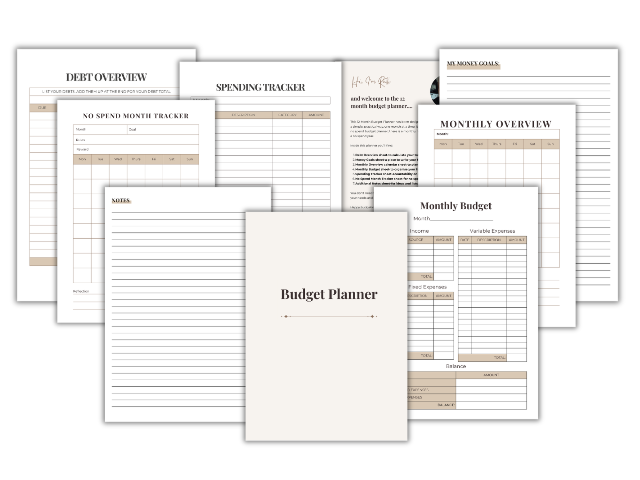
If you need somewhere to start, download our free budget planner above and put your own figures on paper.
This post was all about…