Christmas spending starts well before Christmas Day for most of us. Shopping for presents, Christmas food shopping and bits & bobs starts for many of us in September or October. Having a Christmas fund can really help to make it all a bit more manageable.

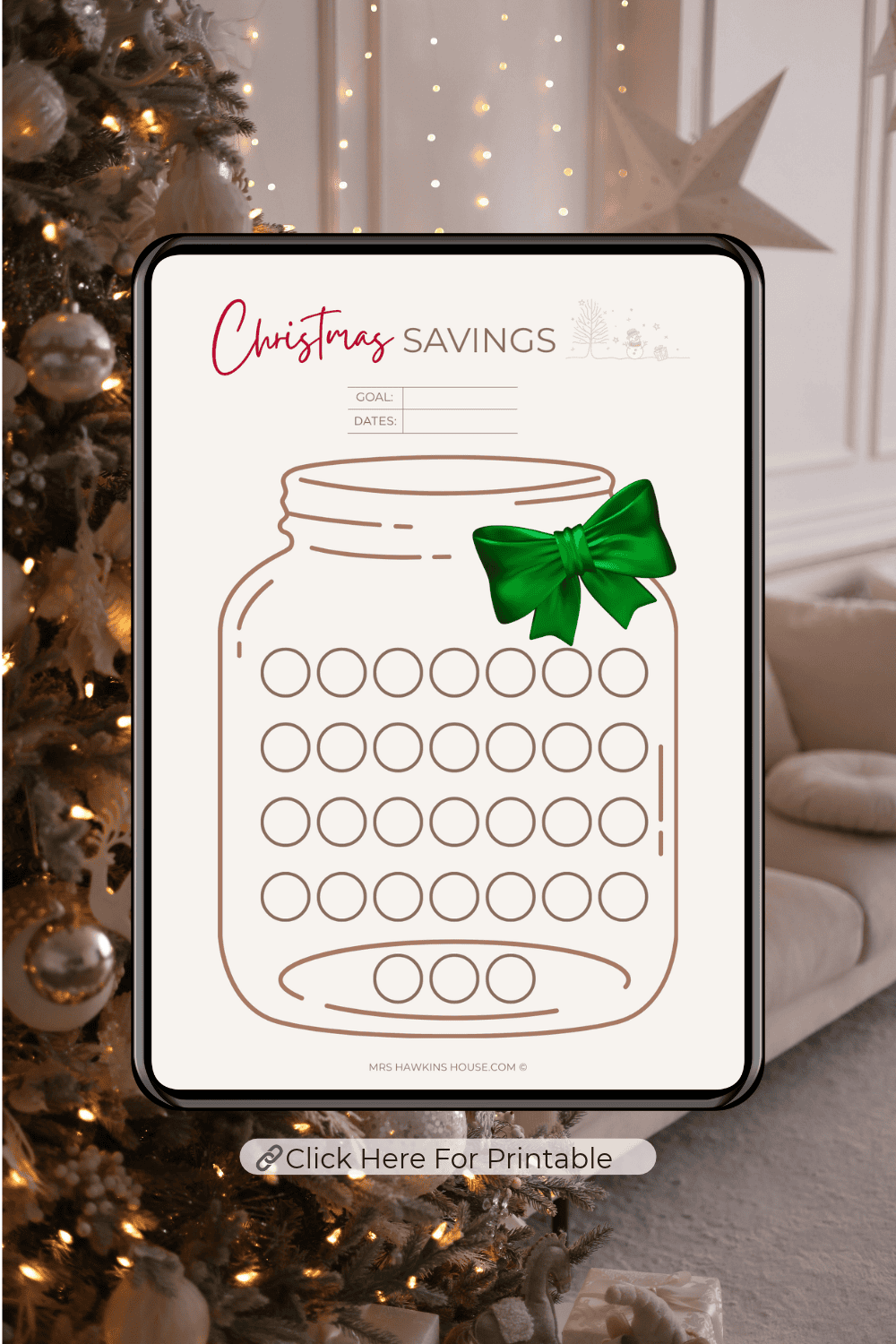
If you are not sure exactly how you will pay for Christmas try a short term Christmas savings challenge. This super simple £500 Christmas savings challenge gives you a clear target and a way to track your progress.
Grab your savings challenge printable above to help you on your way.
Save an amount each week or get creative end build your Christmas fund through a mixture of spending cuts and making some extra money from selling things you no longer use.
Remember..
- If £500 is more than you can comfortably find, choose a smaller target. And if you want to save more, set your target higher.
- Your Christmas plan needs to fit around the bills and everyday costs you already have, so be sure to take that into account when you choose your target.
How much do you need to save each week?
This is an example of how you could save up £500 for Christmas. Divide the target amount you number of weeks left before Christmas.
| Time available | Weekly amount | Total saved |
|---|---|---|
| 10 weeks | £50 | £500 |
| 8 weeks | £62.50 | £500 |
| 6 weeks | £83.34 | £500.04 |
| 4 weeks | £125 | £500 |
You get the gist.
Add your weeks available before Christmas, divide your target (in this blog post that is £500) and then, save that amount each week in advance of Christmas.
For Christmas 2026, a ten-week challenge beginning on 7 October can finish on 16 December. Make your first transfer on 14 October, then transfer £50 each Wednesday for ten weeks.
If you need the money earlier for presents or deliveries, bring your deadline forward. Whatever you do, don’t leave it all till Christmas Eve?! (I used to work in retail. People did this all the time lol)
Decide what your £500 needs to cover
Before starting, write down what you expect to buy. Include gifts, your extra Christmas food spending, travel and any other costs that apply to your household.
Here is one example of how £500 could be divided:
| Christmas spending | Amount |
|---|---|
| Gifts | £250 |
| Extra food and drinks | £150 |
| Travel or visiting costs | £50 |
| Wrapping and other extras | £20 |
| Money left for unexpected costs | £30 |
| Total | £500 |
Change these amounts to suit your family. The food allowance is for extra Christmas spending above your usual groceries. Keep your normal grocery money in your household budget.
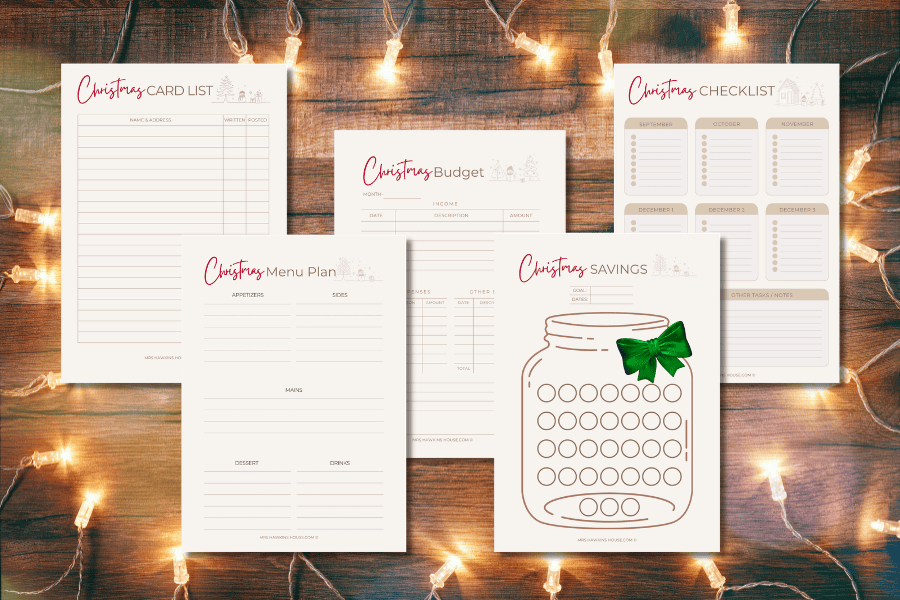
You can use my free Christmas Budget Planner to work out your figures. The set includes a budget sheet, gift list, menu planner and Christmas savings tracker. You can print the PDFs or import them into GoodNotes (or another PDF annotation app).

Find the money for your Christmas fund
You may have room to save a set amount from your weekly or monthly budget. If you do, then just set up a weekly or monthly transfer to your savings. If you do not, look at what you can realistically change over the next few weeks to save or make some money.
Sell things you no longer use
Start with items that are ready to sell, such as clothes in good condition, unused toys or household items you no longer need.
Take clear photographs and check similar listings before setting your price. Allow for any fees, packaging and postage you need to pay. Count the money towards your challenge once the sale is complete and the proceeds are available.
I’m using Vinted this year to do a good clear out and to make some extra money for Christmas.
Click here to use my Vinted referral code.
Hi! Join me on Vinted and let’s declutter together. On Vinted, there are no selling fees. 💸
If you list 3 items within 7 days of signing up, we’ll both get £5.00 to spend on Vinted. 🤩
If you then make a sale within your first 30 days, we’ll both get 2x£5.00 vouchers.
Sign up now!
— ruthw813
Do a ‘Use-It-Up Grocery Challenge’ to save money.
Check your cupboards, fridge and freezer before planning the next shop. Build meals around food you already have and write down the ingredients you still need.
One useful place to look is the top-up shop. If you regularly pop in for milk and leave with snacks or an extra dinner, a better shopping list may help you keep more of that money.
Only transfer grocery savings after checking that you still have enough money and food for the rest of the week.
I could safely bet that you probably have a weeks worth of food in your fridge, freezer and cupboards at least.
Use up that food and save the money you didn’t need to spend on groceries that week into your Christmas fund.
Pause a non-essential spending habit until Christmas
Choose something you can comfortably reduce for a set period. That could be takeaway coffees, bought lunches or browsing shops for things you had not planned to buy.
Use your actual spending to work out the saving. If you normally spend £10 a week on something and pause it for ten weeks, that could add £100 to your fund.
That is not to be sniffed at!
Use Cashback Apps
Use cashback apps when grocery shopping. Cashback on every day costs can give your Christmas fund a boost. Wait until the money arrives before adding it to your tracker though!
An example £500 Christmas challenge
Here is an example of a mixed contribution completed Christmas fund.
| Source | Example contribution |
|---|---|
| £20 weekly transfer for ten weeks | £200 |
| Net proceeds from selling unused items | £150 |
| £10 less discretionary spending each week for ten weeks | £100 |
| Grocery savings across the challenge | £50 |
| Total | £500 |
I like how this shows how possible it is to do this even if you haven’t started saving for Christmas yet!
Track what you save and spend
Keep your Christmas money separate from everyday spending, using a bank pot or another arrangement that works for you.
Each time you add money, update the savings tracker from the free Christmas planner that I made for you! Record Christmas purchases on the budget sheet as you make them.
What if you cannot save £500?
Adjust your target and your shopping plan together. Saving £250 over ten weeks means finding £25 a week. Saving £100 means finding £10 a week.
If you have no room to save after essential costs, start by reducing the Christmas spending you are planning. Agree gift limits early, use decorations you already own and decide which food and activities matter most to your household.
The challenge should help you prepare for Christmas without leaving January’s bills short.
Once your Christmas shopping is organised, take a look at my No-Spend January guide to start planning your next month.